Hedge Trimming in Gidea Park: Keeping Local Gardens Neat, Healthy, and Beautiful
Why Hedge Trimming in Gidea Park Matters

Hedge trimming in Gidea Park is about much more than making a garden look tidy. In a town where homes, front gardens, and shared green spaces contribute so much to the overall character of the area, a well-kept hedge can make a striking difference. Regular hedge trimming helps plants grow evenly, improves their shape, and prevents them from becoming overgrown or difficult to manage.
Whether you own a small front garden near the station or maintain a larger property with boundary hedging, keeping hedges trimmed is one of the most effective ways to preserve curb appeal. It also supports plant health by removing dead growth and allowing more light and air to reach the inner branches. For many homeowners, hedge trimming in Gidea Park is an essential part of seasonal garden care.
Another reason hedge trimming is so important is that hedges often serve more than one purpose. They provide privacy, define boundaries, reduce noise, support wildlife, and create structure in the garden. When they are maintained properly, hedges can do all of this while still looking smart and refined. That balance between function and appearance is exactly what makes trimming so valuable.
Understanding the Local Appeal of Well-Trained Hedges

Gidea Park is known for attractive residential streets and carefully maintained outdoor spaces. Because of that, hedge trimming in Gidea Park often has a noticeable impact on the overall feel of a property. A hedge that is shaped neatly can lift the appearance of the whole garden, while an untidy hedge can quickly make a space feel neglected.
Local homeowners often want their gardens to complement the style of their property. Clean lines, balanced shapes, and healthy growth all contribute to a polished finish. This is especially true for front-facing hedges, which are one of the first things visitors and passers-by notice. A precise trim can make a modest garden look intentional and well cared for.
Beyond appearance, local conditions also influence hedge maintenance. Seasonal changes, urban airflow, nearby roads, and varying light levels all affect how hedges grow. That means hedge trimming in Gidea Park should be approached with an understanding of both the plant type and the environment. Different hedges respond differently to trimming, so timing and technique matter.
Benefits of Regular Hedge Trimming
Health, Shape, Privacy, and Safety
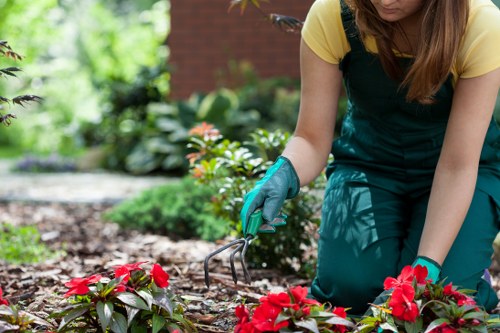
Regular hedge trimming offers a wide range of benefits, both practical and visual. One of the biggest advantages is healthier growth. By removing weak, damaged, or crowded stems, trimming encourages stronger shoots and denser foliage. This can help hedges look fuller and more vibrant throughout the year.
Another benefit is improved shape. Many hedges lose their structure when they are left unchecked, growing too wide, too tall, or uneven along the top. With routine hedge trimming in Gidea Park, the shape can be maintained before the hedge becomes too difficult to correct. That makes ongoing care far easier than trying to fix years of growth all at once.
There is also the matter of privacy and safety. Overgrown hedges can block pathways, reduce visibility near driveways, and encroach on neighbouring spaces. Proper trimming keeps boundaries clear while still preserving screening. In many cases, regular maintenance reduces the need for severe cuts later on, which can be stressful for both the plant and the homeowner.
Key advantages of trimming hedges regularly
- Improves the overall look of the garden
- Encourages denser, healthier growth
- Keeps hedges at a manageable size
- Reduces the risk of obstructing paths or driveways
- Helps maintain privacy without overgrowth
When to Schedule Hedge Trimming in Gidea Park

Timing is a major factor in hedge trimming in Gidea Park. The right season depends on the hedge species, how fast it grows, and the desired shape. Many hedges benefit from trimming at least once or twice a year, while faster-growing varieties may need more frequent attention. The goal is to stay ahead of excessive growth without stressing the plant.
Spring and summer are common maintenance periods for many hedges because growth is active and the shape can be refined. However, some species are best trimmed later in the year, while others should be handled with extra care during nesting season. Knowing the right timing helps protect both the hedge and local wildlife.
Homeowners in Gidea Park often find that a seasonal approach works best. A light trim in the growing season may keep a hedge looking crisp, while a more substantial cut at the right time of year can restore balance and definition. If you are unsure when to trim a particular hedge, it is always sensible to choose a schedule that suits the species rather than forcing a one-size-fits-all routine.
Signs your hedge needs attention
- Branches are sticking out beyond the desired line
- The hedge has become wider at the base or top-heavy
- Light is being blocked from neighbouring plants
- The hedge is spreading onto paths, fences, or driveways
- Dead or thin sections are appearing inside the hedge
Common Hedge Types Found in Gidea Park
Different hedge types require different trimming techniques. In Gidea Park, homeowners commonly choose hedges for privacy, decoration, or boundary marking. Some of the most popular options include evergreen hedges, formal clipped hedges, and mixed native hedges. Each one has its own growth habit and care needs.
Evergreen hedges are often selected because they keep foliage year-round. These hedges usually need regular shaping to stop them from becoming bulky or uneven. Formal hedges, by contrast, are often trimmed into straight lines and precise forms. A sharp, consistent finish is essential here, which is why hedge trimming in Gidea Park often includes careful edging and attention to symmetry.
Native hedges can offer a more relaxed, wildlife-friendly look. These may not need the same crisp finish as formal hedges, but they still benefit from regular cutting to encourage structure and manage spread. Choosing the right trim approach depends on the hedge’s role in the garden and the look you want to maintain.
Examples of hedge styles
- Formal hedges: Straight, clean, and highly structured
- Evergreen hedges: Dense, year-round screening
- Informal hedges: Natural-looking with light shaping
- Native mixed hedges: Biodiversity-friendly and seasonal
Techniques Used for Quality Hedge Trimming
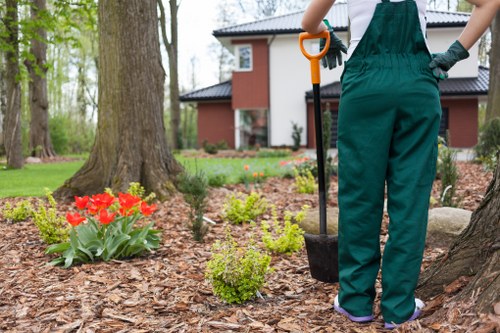
Good hedge trimming is not simply about cutting back growth. It requires a steady hand, correct angles, and an understanding of how plants respond to pruning. The aim is usually to create a hedge that is slightly wider at the base than the top. This shape helps lower branches receive enough light, reducing the risk of sparse growth near the bottom.
For hedge trimming in Gidea Park, precision matters. Clean cuts reduce tearing and help the hedge recover better after trimming. In larger hedges, tools may be used to achieve a consistent finish along long stretches, while smaller hedges often benefit from detailed hand trimming. Either way, the result should feel balanced and natural rather than forced.
Another important technique is working gradually. Taking too much off in one go can weaken the hedge, expose bare sections, or leave an unnatural appearance. A careful trim focuses on maintaining the existing shape while removing only what is needed. This approach is especially useful for hedges that are part of a property’s main frontage.
What a careful trim usually includes
- Removing overextended shoots
- Creating even top and side lines
- Maintaining a tapered shape where suitable
- Checking for dead or damaged growth
- Preserving the hedge’s overall density
How Hedge Trimming Supports Garden Design
Hedges are powerful design features. They can frame paths, soften hard landscaping, create privacy zones, and act as a backdrop for flowers and lawns. In a place like Gidea Park, where many gardens blend practical and decorative elements, hedge trimming helps keep those design features working together. A tidy hedge gives the garden a sense of order and intention.
When hedges are neatly maintained, they help guide the eye through the space. They can define the edges of a lawn, separate seating areas, or highlight focal points such as a tree, border, or patio. Proper hedge trimming in Gidea Park ensures that hedges support the rest of the garden rather than overpowering it.
Trimmed hedges also work well with different architectural styles. Traditional homes may benefit from classic formal lines, while modern properties often look best with clean, minimal hedging. In both cases, the hedge becomes part of the overall visual structure. Good trimming is design maintenance as much as garden maintenance.
Local Challenges That Affect Hedge Maintenance
Although hedge trimming may sound straightforward, local conditions can influence the work significantly. In urban and suburban settings, hedges may grow unevenly due to shaded boundaries, strong winds, or limited root space. Some areas may also have pressure from nearby paving, fences, or driveways, which can affect hedge health over time.
Hedge trimming in Gidea Park can also involve dealing with hedges that are close to roads, footpaths, or neighbouring properties. That means it is especially important to work neatly and carefully. Overhanging branches, dropped clippings, and uneven edges can all create avoidable problems. A measured approach helps keep the process efficient and considerate.
Weather is another factor. Dry spells, heavy rain, and periods of rapid growth all influence how quickly hedges need attention. If a hedge is trimmed during the wrong conditions, the result may be less clean or may place added stress on the plant. Planning around the weather is one of the easiest ways to improve results.
Practical challenges homeowners often face
- Hedges growing faster than expected in spring and summer
- Uneven light across the hedge line
- Branches encroaching on paths or driveways
- Difficulty reaching tall or wide hedges safely
- Maintaining a tidy finish over time
The Role of Safe and Efficient Hedge Trimming
Safety is a vital part of hedge trimming in Gidea Park, especially when dealing with tall or thick hedges. Using the correct tools, wearing suitable protective gear, and checking the area before starting all contribute to a safer result. A tidy outdoor space should never come at the expense of personal safety or plant health.
Efficiency also matters. A well-organised trim can save time while producing better results. This is especially useful for larger gardens or properties with multiple hedges. Trimming in sections, clearing cuttings as you go, and stepping back regularly to assess the shape can all improve the final outcome.
Many homeowners prefer to leave challenging hedge trimming to trained professionals because high hedges, awkward angles, and dense growth can be difficult to handle. Whether the work is done by the homeowner or by a specialist, the goal remains the same: a neat, even hedge that enhances the garden and remains easy to maintain in the future.
Why Neglected Hedges Become Harder to Manage
When hedges are left untrimmed for too long, they often become much harder to restore. Overgrown branches can thicken, lower growth may become sparse, and the hedge may lose its intended shape. What started as a small maintenance task can turn into a much larger job if the hedge is neglected for several seasons.
One common issue is that the outer growth becomes so dense that light cannot reach the inner parts of the hedge. As a result, the inside may weaken, and trimming back severely later can expose bare patches. This is why regular hedge trimming in Gidea Park is usually the better long-term choice. It keeps the hedge balanced and avoids dramatic cuts.
Neglected hedges can also affect nearby planting. They may shade out smaller shrubs or flowers, extend into lawns, or block views that help a garden feel open and inviting. In addition, a hedge that has grown beyond its space can look less intentional, reducing the overall quality of the garden. Routine care prevents these problems before they become expensive or time-consuming to fix.
Seasonal Hedge Trimming Tips for Gidea Park Gardens
Each season brings a different set of tasks and opportunities for hedge care. In spring, many hedges begin a period of active growth, so a tidy trim can help set the tone for the months ahead. Summer may require lighter, more frequent shaping to keep fast-growing hedges under control. Autumn is often a useful time to neaten growth after the main growing period.
Winter trimming is sometimes appropriate for certain hedge types, but it should always be approached with care. Cold weather can make plants more vulnerable, and not all hedges respond well to winter cuts. For that reason, hedge trimming in Gidea Park works best when it is matched to the plant’s needs rather than carried out automatically on a fixed date.
Staying in rhythm with the seasons helps hedges stay healthier, denser, and more attractive. It also makes garden planning easier. A hedge that is trimmed regularly will usually need less corrective work, fewer heavy cuts, and less effort overall. That means better results with less disruption to the garden.
Seasonal maintenance checklist
- Inspect hedges for uneven growth
- Remove broken or dead branches
- Check for overhang onto paths or boundaries
- Trim lightly to maintain the hedge line
- Keep an eye on plant health after cutting
How to Keep Hedges Looking Their Best Between Trims
Good hedge care does not end when the trimming is done. Between trims, it helps to monitor growth, keep the area around the hedge free of debris, and check that the shape is still holding well. Even small observations can make a big difference, especially during periods of active growth.
Watering, feeding, and soil care also support hedge health. A strong hedge is often easier to maintain because it grows more evenly and recovers better after trimming. If a hedge seems thin, patchy, or stressed, it may be worth improving the growing conditions before planning the next cut. Healthy roots support healthy trimming results.
It is also helpful to keep an eye on the hedge line after storms or windy weather. Branches can shift, break, or grow unevenly following rough conditions. A quick check can prevent minor issues from becoming larger ones. With a bit of routine attention, hedge trimming in Gidea Park becomes easier and more effective over time.
Choosing a Professional Approach for Hedge Trimming in Gidea Park
For many property owners, a professional approach offers peace of mind and a cleaner finish. Experienced hedge care can be especially useful when the hedge is tall, wide, tightly shaped, or difficult to access. A professional may also be better equipped to handle different hedge species and achieve a consistent result across the whole boundary.
Another advantage is time-saving. Hedge maintenance can be labour-intensive, particularly when clippings need to be cleared and the shape carefully refined. A skilled service can make the process more manageable while keeping the garden presentable. If you want your hedges to look sharp through the seasons, professional hedge trimming can be a smart investment.
Most importantly, a quality trim supports long-term growth. Rather than merely cutting back visible branches, the work should help the hedge remain strong, tidy, and visually balanced. That is why many people choose to book their service now and keep their hedge care on a reliable schedule. Consistent maintenance always pays off in the long run.
Final Thoughts on Hedge Trimming in Gidea Park
Hedge trimming in Gidea Park is one of the simplest ways to keep a garden looking neat, private, and well cared for. It improves plant health, supports garden design, and helps properties maintain an attractive appearance throughout the year. Whether you have a small decorative hedge or a larger boundary screen, regular trimming makes a clear difference.
By trimming at the right time, using the right technique, and staying attentive to the hedge’s growth, homeowners can avoid many common problems associated with overgrown boundaries. The result is a garden that feels more open, balanced, and enjoyable to spend time in. From the front of the property to the back fence, every hedge benefits from careful attention.
If your hedges are starting to lose shape or grow beyond their space, now is the perfect time to act. Contact us today and book your service now to keep your garden looking its best with expert hedge trimming in Gidea Park.